Understanding Emotional Burnout: Signs, Causes, and Practical Steps for Recovery
By Ved Prakash · Published 2026-04-23 · Industry Insights
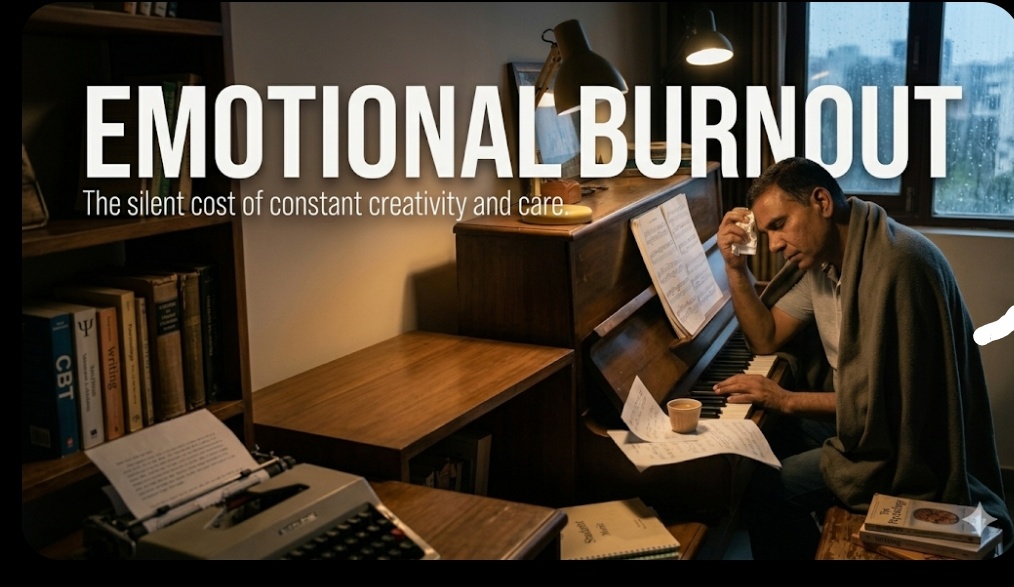
CONTENT WRITING PORTFOLIO SAMPLE
Understanding Emotional Burnout
A Research-Based SEO Article
Meta Title:
Understanding Emotional Burnout: Signs, Causes, and Recovery Strategies
Meta Description:
Learn the early signs of emotional burnout, its key causes, and practical recovery strategies. Discover how to prevent chronic stress and restore emotional balance effectively.
Focus Keyword:
Emotional Burnout
Secondary Keywords:
Burnout recovery, signs of burnout, stress management, mental exhaustion, emotional fatigue, prevent burnout, chronic stress
Understanding Emotional Burnout: Signs, Causes, and Practical Steps for Recovery
Emotional burnout is more than temporary tiredness. It is a state of chronic emotional, mental, and sometimes physical exhaustion caused by prolonged and unmanaged stress. Unlike ordinary fatigue that improves with rest, burnout lingers. It slowly drains motivation, clarity, and emotional resilience.
Burnout does not appear overnight. It develops gradually, often unnoticed, until productivity declines, patience shortens, and even simple responsibilities begin to feel overwhelming. Understanding the early signs of emotional burnout can prevent long-term mental health consequences and support timely recovery.
What Is Emotional Burnout?
Emotional burnout occurs when stress remains unresolved for an extended period. It is commonly associated with demanding work environments, caregiving roles, academic pressure, or high personal expectations. However, burnout is not limited to professionals or high achievers. Anyone exposed to continuous pressure without adequate recovery can become vulnerable.
At its core, burnout is the nervous system’s response to sustained overload. When emotional resources are depleted faster than they are replenished, exhaustion becomes chronic rather than temporary.
Core Symptoms of Emotional Burnout
Burnout manifests in different ways, but certain patterns are common.
1. Emotional Exhaustion
Emotional exhaustion is the central feature of burnout. You may feel:
Drained even after a full night’s sleep
Irritable without a clear cause
Overwhelmed by small responsibilities
Mentally “foggy” or unfocused
This type of exhaustion is not simply physical. It feels like your emotional battery no longer holds a charge.
2. Reduced Motivation
Tasks that once felt meaningful may now feel heavy or pointless. Procrastination increases. Focus decreases. You may find yourself staring at simple tasks, unable to initiate action.
Motivation does not disappear suddenly. It erodes gradually as stress accumulates without relief.
3. Cynicism or Emotional Detachment
Another hallmark symptom is emotional distancing. You may feel detached from work, relationships, or responsibilities. Conversations feel draining. Engagement feels forced.
This emotional numbness is often a protective mechanism. The mind attempts to conserve energy by disconnecting from what feels overwhelming.
Causes of Burnout
Burnout is rarely caused by a single event. It usually results from a combination of sustained pressures and insufficient recovery.
Chronic Overcommitment
Consistently saying “yes” without considering capacity creates imbalance. When responsibilities exceed available energy, stress compounds daily. Without recovery periods, burnout becomes increasingly likely.
Lack of Control
Feeling powerless in decision-making significantly increases stress. When individuals lack autonomy over schedules, workload, or expectations, mental strain intensifies.
Unrealistic Expectations
High internal standards combined with limited rest create a dangerous cycle. Many high performers believe constant productivity equals success. Over time, this belief leads to exhaustion.
Poor Recovery Habits
Sleep deprivation, minimal physical activity, constant digital exposure, and lack of emotional processing prevent the nervous system from resetting. Stress accumulates silently.
Early Warning Signs to Watch For
Recognizing burnout early dramatically improves recovery speed. Ignoring early signals allows the condition to deepen.
Persistent Fatigue
Feeling tired despite adequate sleep is often an early warning sign. This fatigue feels emotional rather than purely physical.
Decreased Performance
Tasks that once required minimal effort begin to feel complex. Mistakes increase.
Concentration shortens.
Emotional Sensitivity
Small inconveniences trigger disproportionate reactions. Irritability becomes frequent.
Withdrawal from Social Interaction
You may avoid communication due to low energy. Social conversations feel like obligations rather than connections.
Awareness of these signs allows intervention before burnout becomes severe.
Practical Steps for Recovery
Recovery from emotional burnout requires intentional behavioral adjustments. Pushing harder rarely solves the problem. Strategic reduction often works better than forced productivity.
1. Reduce Input Before Increasing Output
Instead of attempting to work harder, reduce workload temporarily if possible. This may include delegating tasks, postponing non-essential commitments, or adjusting expectations.
Recovery begins with lowering pressure.
2. Restore Basic Health Patterns
Reestablish foundational habits:
- Maintain a consistent sleep schedule
- Eat balanced meals at regular intervals
- Incorporate light daily movement
- Reduce excessive screen time
Physical stability supports emotional regulation. When the body recovers, mental clarity improves.
3. Set Clear Boundaries
Boundaries protect mental capacity. Learn to say:
“I cannot commit to this right now.”
This does not indicate weakness. It reflects self-awareness and responsibility. Sustainable productivity depends on realistic limits.
4. Reintroduce Meaningful Activities
Burnout often disconnects individuals from enjoyment. Reintroduce small, low-pressure activities such as reading, walking, journaling, or creative hobbies.
The goal is not high performance, it is gentle reconnection.
5. Seek Professional Support if Needed
If symptoms persist or worsen, consulting a licensed mental health professional can provide structured guidance. Therapy can help identify stress patterns, cognitive habits, and practical coping strategies.
Seeking help is a proactive step, not a failure.
Preventing Future Burnout
Prevention is easier than recovery. Sustainable routines reduce the likelihood of recurrence.
Schedule Recovery Intentionally
Rest should not be optional. It should be planned. Schedule breaks, digital detox periods, and downtime just as seriously as work tasks.
Monitor Stress Weekly
Conduct a simple self-check:
- How is my energy level?
- How is my focus?
- How is my mood?
Early awareness prevents accumulation.
Redefine Productivity
Sustainable productivity includes rest. Constant output is not strength, it is risk. Long-term performance requires cycles of effort and recovery.
The Long-Term Impact of Ignored Burnout
When left unmanaged, burnout can contribute to anxiety, depression, chronic fatigue, and strained relationships. It may also affect physical health through sleep disruption and weakened immune response.
Addressing burnout early protects both mental and physical well-being.
Conclusion
Burnout is not a sign of weakness. It is a signal, a message that stress has exceeded recovery capacity.
By recognizing early symptoms, adjusting workload, restoring healthy routines, and setting clear boundaries, recovery becomes possible. Sustainable success depends not on constant output, but on balanced cycles of effort and restoration.
Mental health requires maintenance,
not emergency repair.
Pay attention early. Adjust early. Recover early.
Prepared by
Ved Prakash
Human-Led SEO Content Writer