Multimodal AI: The Moment Machines Learned to See, Hear, and Understand Us
By Anshul Gupta · Published 2026-03-31 · Technology & Innovation
It started with a simple frustration.
Typing long messages to explain what you see. Describing an image when you could just show it. Explaining a tone when a voice could say it better. For years, humans have been compressing rich, sensory experiences into plain text because that’s all machines could understand.
But that era is ending.
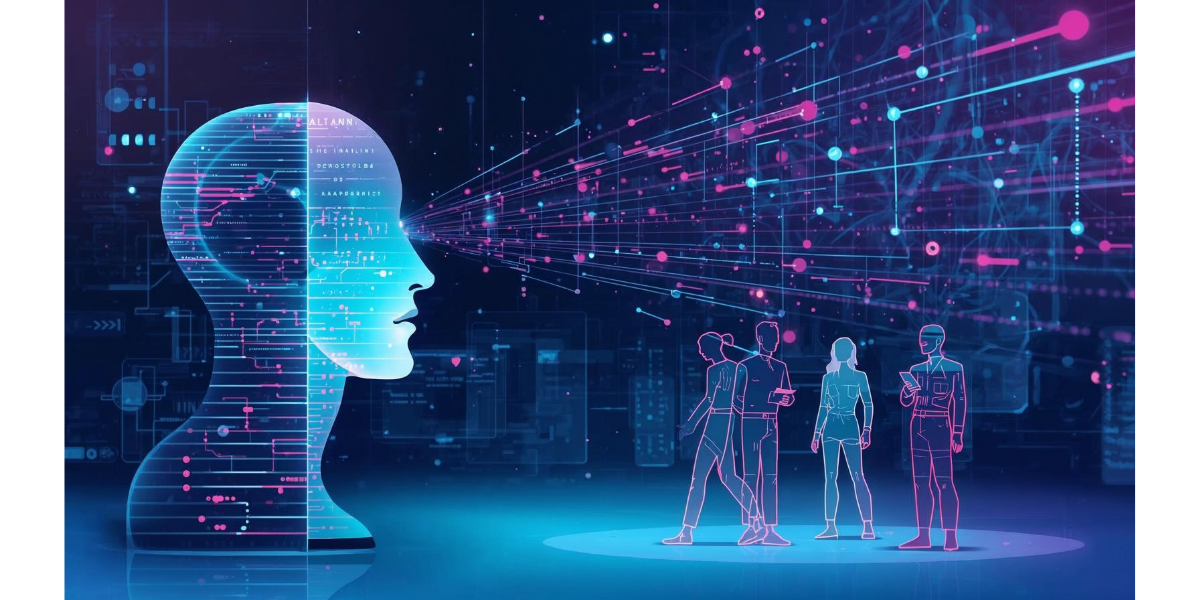
We are now stepping into the age of Multimodal AI - a breakthrough that allows machines to process and understand text, images, video, and audio simultaneously. Not separately. Not in silos. But together, the way humans naturally experience the world.
And this changes everything.
What Is Multimodal AI?
At its core, Multimodal AI is about contextual intelligence.
Instead of analyzing just words, AI can now:
- Interpret an image and describe it in detail
- Watch a video and summarize its key message
- Listen to audio and detect emotion or intent
- Combine all these inputs to make smarter decisions
It’s not just about more data.
It’s about a deeper understanding.
Think about how you perceive a moment:
You don’t just hear someone - you notice their tone, facial expression, pauses, and environment. Multimodal AI aims to replicate that layered awareness.
The Turning Point: From Tools to Companions
For years, AI has felt transactional. You ask, it answers. You input, it outputs.
But Multimodal AI introduces something new: interaction that feels natural.
Imagine this:
- A doctor uploads a medical scan, speaks notes, and receives a diagnosis supported by both image and voice data
- A student watches a lecture, asks questions verbally, and gets visual explanations in return
- A creator uploads a rough video clip and receives editing suggestions, captions, and music-all in one flow
This is no longer “using a tool.”
This is collaborating with intelligence.
Why Multimodal AI Is Exploding Right Now
There’s a reason this trend is dominating the AI landscape.
1. Humans Are Multimodal by Nature
We don’t communicate in plain text - we use expressions, visuals, sounds, and movement. AI is finally catching up to how we naturally think and interact.
2. Data Has Become Richer
From smartphones to IoT devices, the world is generating massive amounts of visual, audio, and video data. Ignoring these signals is no longer an option.
3. Businesses Want Context, Not Just Output
Companies are no longer satisfied with surface-level automation. They want insight, accuracy, and nuance - and that requires multiple data inputs.
Real-World Impact: Where Multimodal AI Is Changing Lives
This isn’t theoretical. It’s already reshaping industries in profound ways.
Healthcare: Seeing Beyond Symptoms
Doctors can now combine medical imaging, patient voice data, and clinical notes to make faster, more accurate diagnoses. It’s not just efficient - it’s life-saving.
Education: Learning That Adapts to You
Students learn differently. Some prefer visuals, others audio. Multimodal AI can personalize learning experiences in real time, making education more inclusive and effective.
Content Creation: From Idea to Execution
Creators no longer need multiple tools. A single system can:
- Generate visuals
- Edit videos
- Add voiceovers
- Write scripts
It transforms creativity from a process into a flow state.
Customer Experience: Understanding Emotion
Customer support is evolving from scripted responses to emotion-aware interactions, where tone, language, and context are all understood together.
The Emotional Shift: Why This Matters More Than Technology
Here’s the deeper truth.
Multimodal AI is not just about machines getting smarter.
It’s about technology becoming more human.
For the first time, machines are beginning to:
- Understand how we say things - not just what we say
- Recognize emotion, intent, and nuance
- Respond in ways that feel intuitive, not mechanical
This reduces friction.
It reduces misunderstanding.
It makes digital interaction feel… natural.
And that’s a profound shift.
The SEO Reality: Why Businesses Must Pay Attention
From a strategic perspective, Multimodal AI is a massive SEO and digital transformation opportunity.
Search Is Becoming Multimodal
Users are no longer just typing queries. They are:
- Uploading images
- Using voice search
- Interacting through video
This means content strategies must evolve beyond text.
Content Must Be Multi-Layered
To stay competitive, brands need:
- Visual-rich content
- Video integration
- Audio accessibility
- Context-aware optimization
The future of SEO is not just keywords-it’s experience optimization across formats.
The Challenge Ahead: Power Comes With Responsibility
With this advancement comes critical questions:
- How do we ensure accuracy across multiple data types?
- How do we prevent misuse, especially with deepfakes?
- How do we maintain trust in a world where machines can interpret and generate reality-like content?
The answers will define not just the future of AI but the future of digital trust.
Final Thought: A New Language Between Humans and Machines
We are witnessing the birth of a new interface.
Not keyboards. Not screens.
But multi-sensory communication between humans and machines.
Multimodal AI is not just another technological upgrade.
It is the foundation of a world where interacting with AI feels less like using software and more like having a conversation with intelligence that truly understands you.
And once you experience that… there’s no going back.